Best Streaming Microphones
Crystal clear audio is essential for professional streaming. Compare the best microphones for every budget and setup, from USB plug-and-play options to professional XLR systems.
Prices and picks checked . Prices move — treat them as a guide, not a quote.
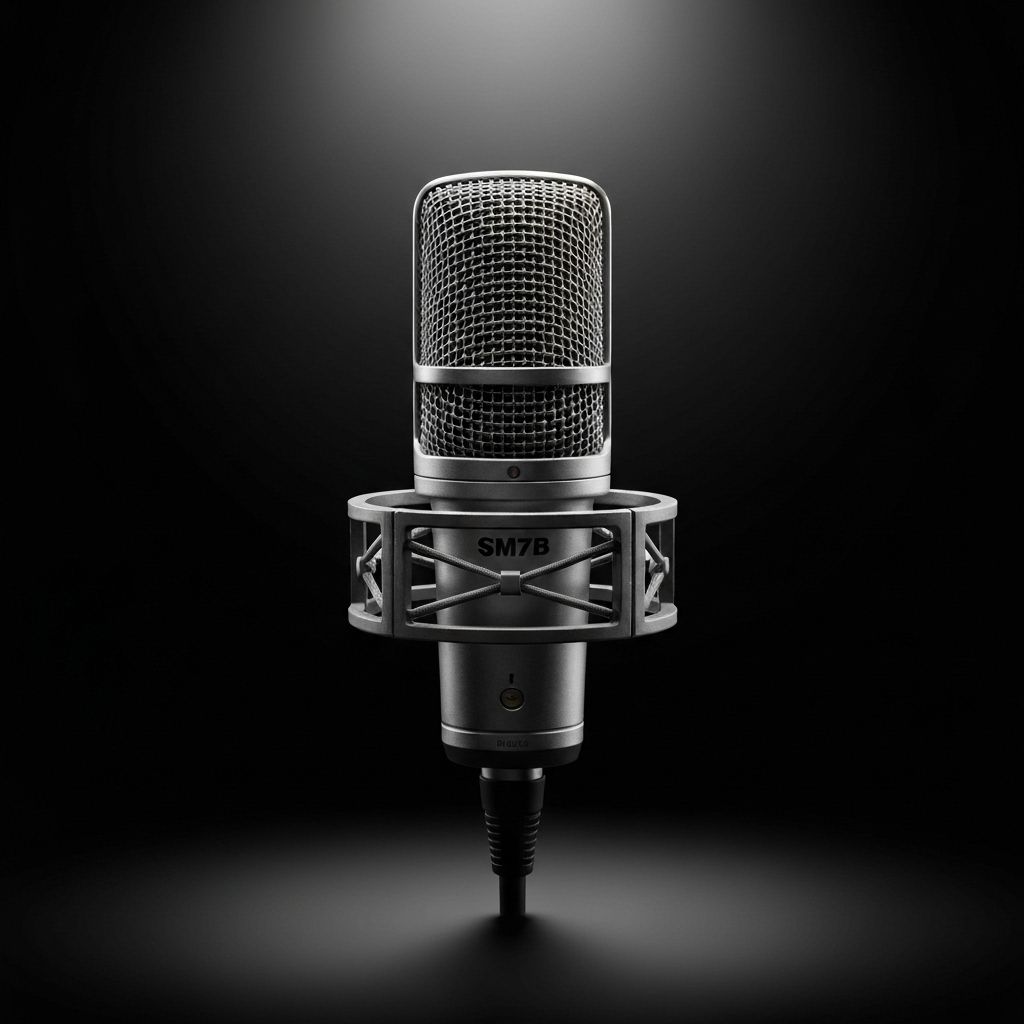
Shure SM7B
TOP PICKDynamic XLRIndustry‑standard dynamic broadcast mic with smooth vocal response, internal pop filter, and switchable presence/low‑cut. Requires a clean‑gain audio interface or preamp.
$399
Buy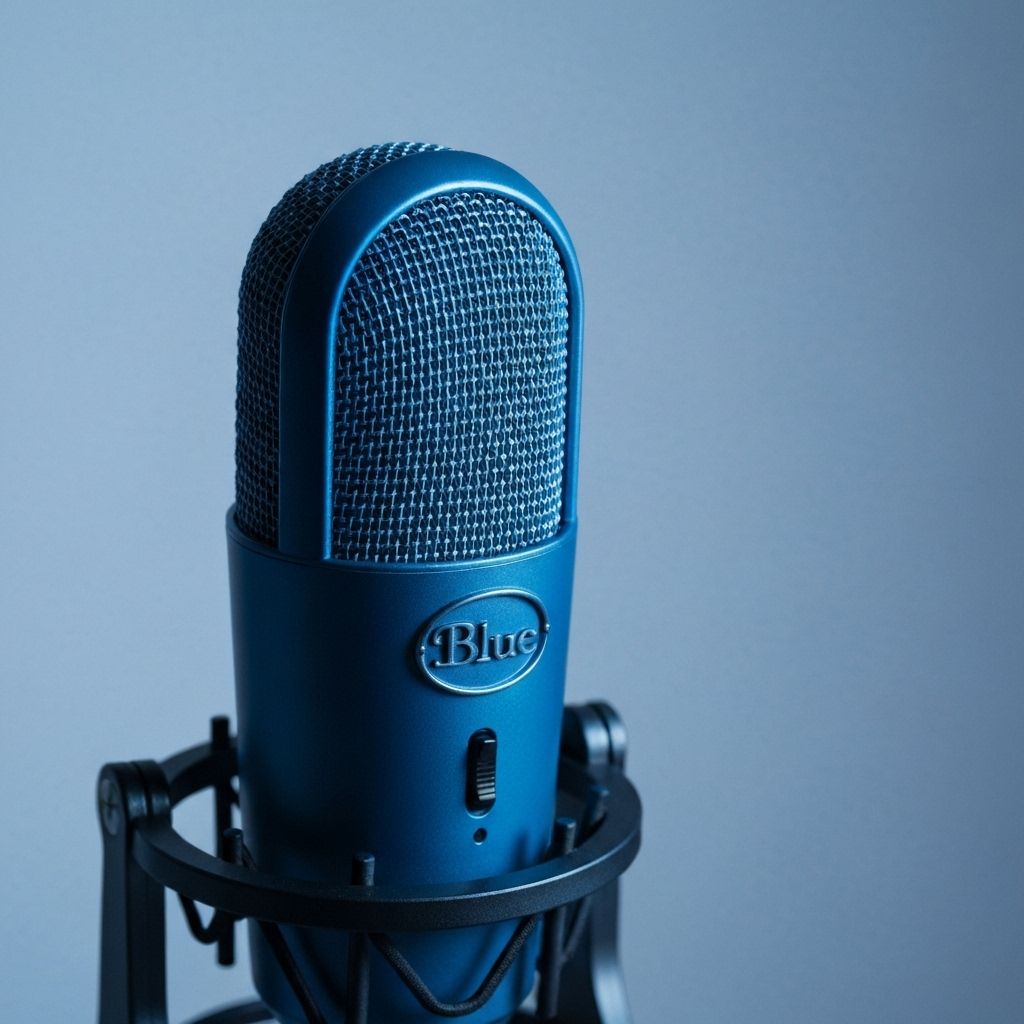
Logitech Yeti (Blue)
USB CondenserThe classic Yeti USB condenser (now sold under Logitech after the Blue brand retired): multiple pickup patterns, plug‑and‑play setup, gain control, mute, and headphone monitoring; best in quiet or treated rooms.
$129
Buy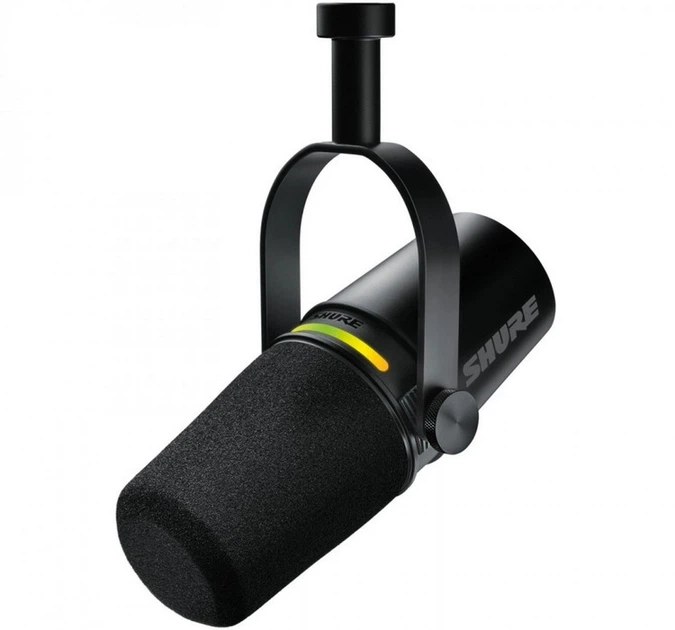
Shure MV7+
Dynamic USB-C/XLRHybrid USB-C + XLR dynamic mic with Auto Level Mode, digital pop filter, customizable LED touch panel, and OBS certification — SM7B-style sound with beginner-friendly setup.
$299
Buy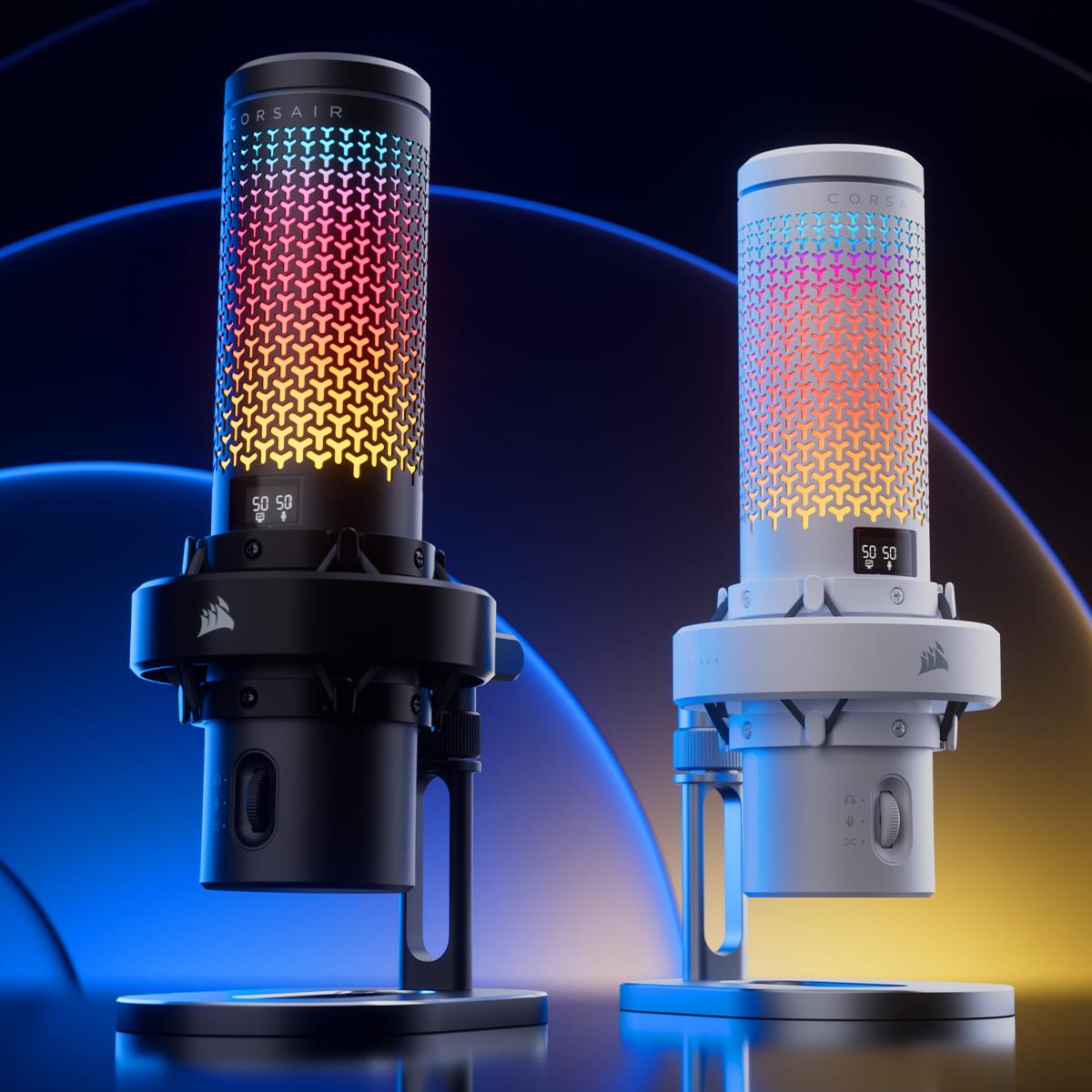
Corsair VOXARA
USB CondenserCorsair's first microphone: 25mm condenser with a 32-bit/192kHz path, an OLED screen and scroll wheel for gain and monitoring, tap-to-mute, built-in shock mount and pop filter. Runs Elgato Wave Link with AI Voice Focus for real-time noise removal.
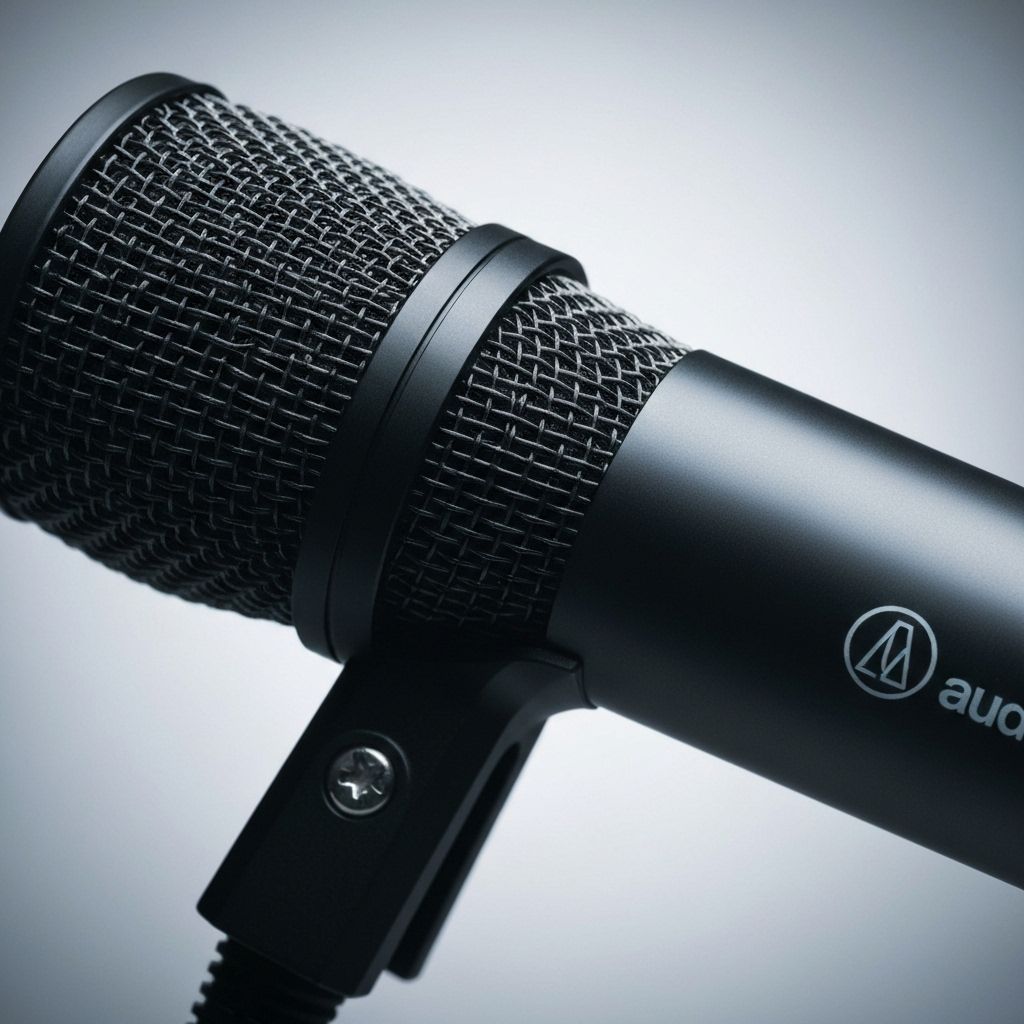
Audio-Technica AT2020
XLR CondenserAffordable XLR condenser with wide frequency response and clear vocals; requires audio interface and benefits from a treated room.
$99
Buy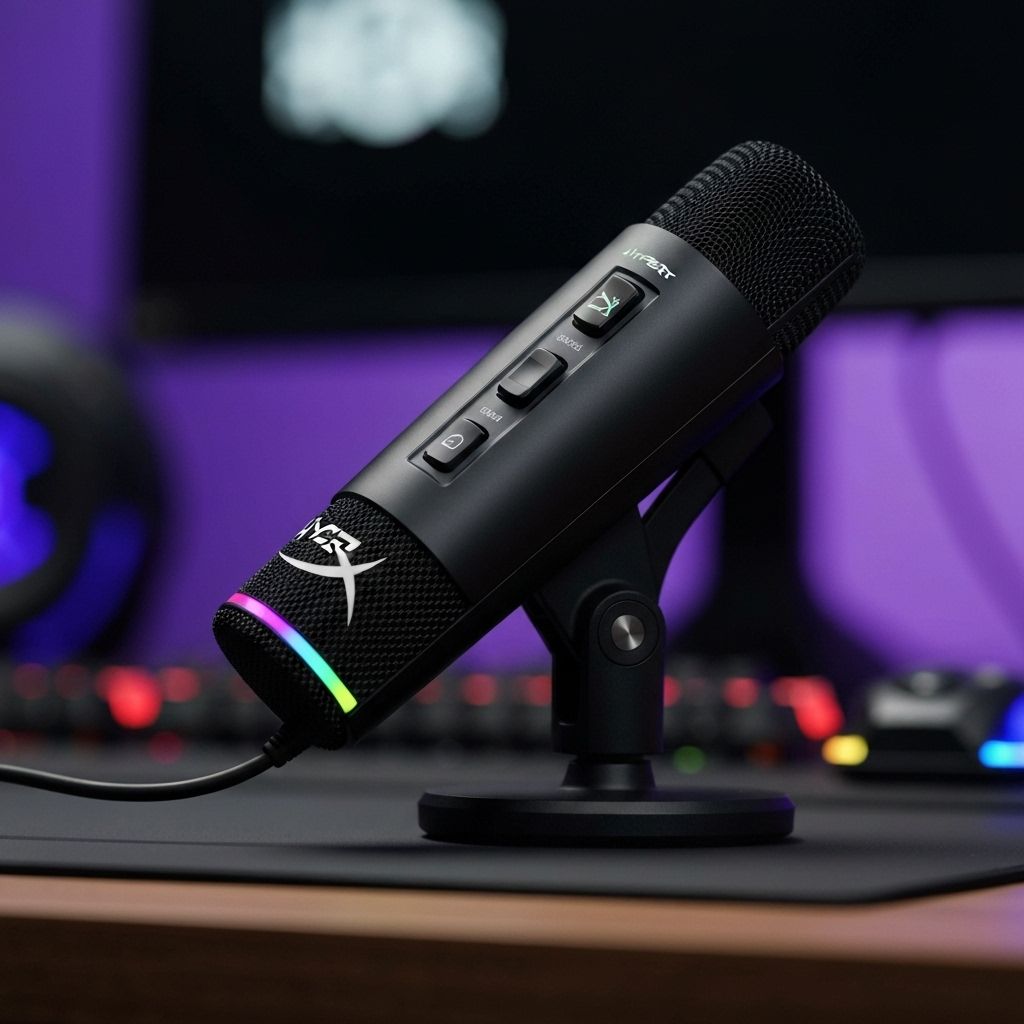
HyperX QuadCast 2
USB CondenserGaming-focused USB condenser mic with RGB, tap‑to‑mute, built‑in shock mount, four pickup patterns, headphone monitoring, and on‑mic gain; configurable via HyperX Ngenuity.
$139
Buy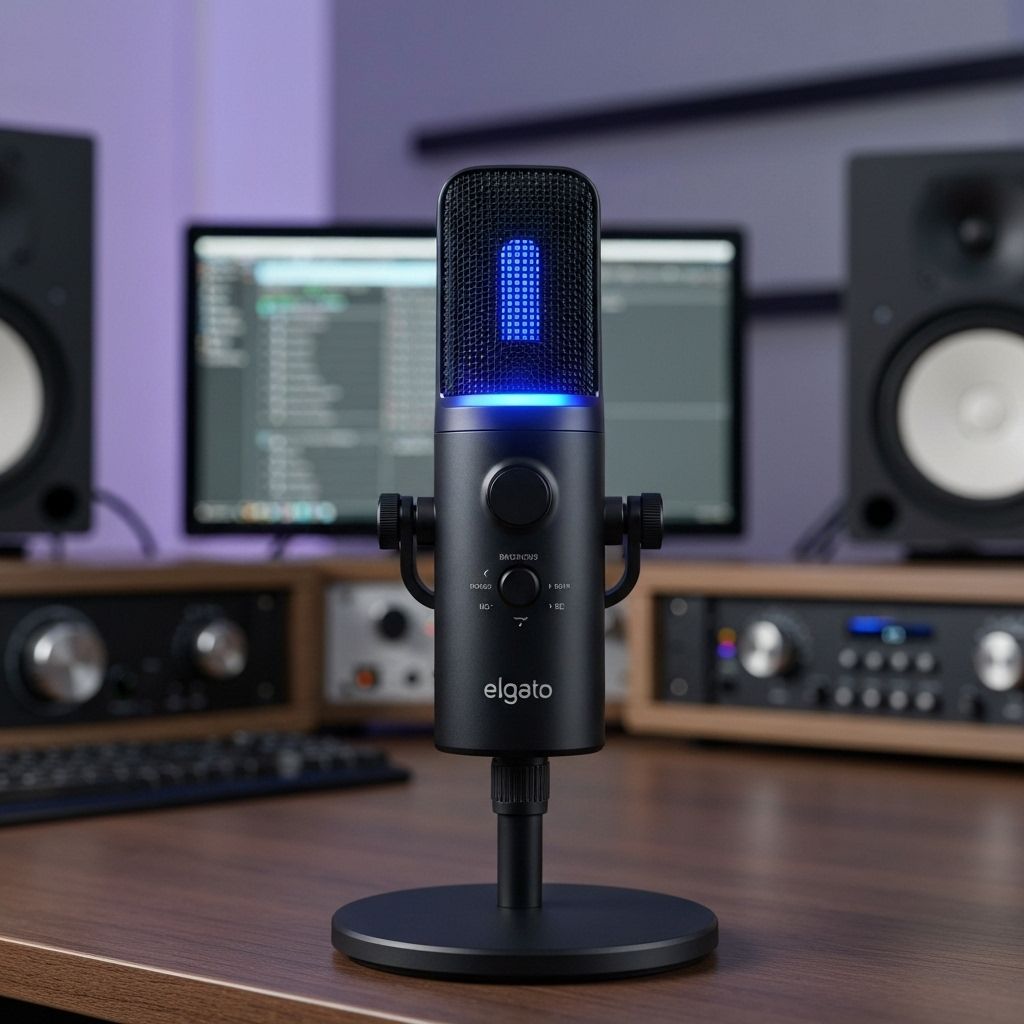
Elgato Wave:3
USB CondenserStreamer‑focused USB mic with Wave Link virtual mixing and Clipguard anti‑clipping; seamless with Elgato ecosystem.
$149
Buy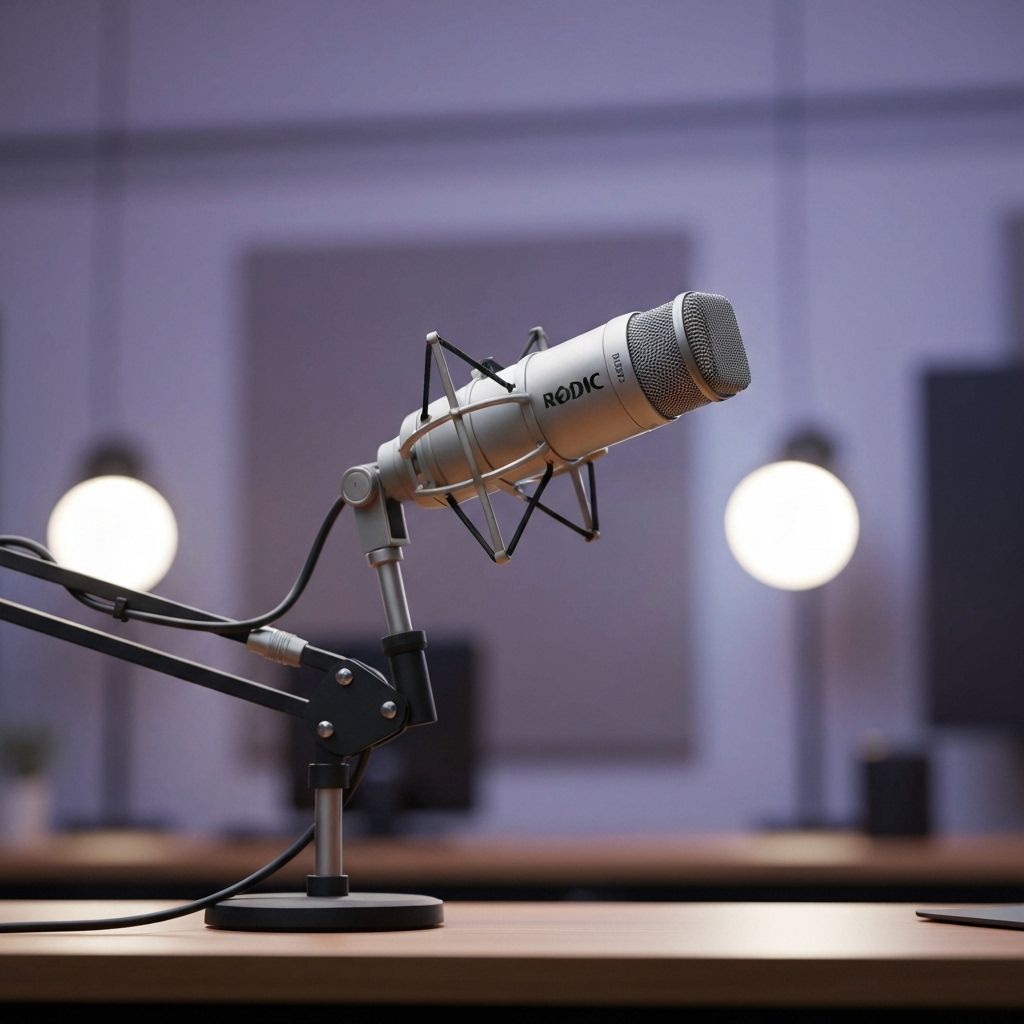
Rode PodMic
Dynamic XLRBroadcast‑style dynamic XLR mic for podcasting/streaming with internal pop filtering and rugged build; external shock mount optional.
$99
Buy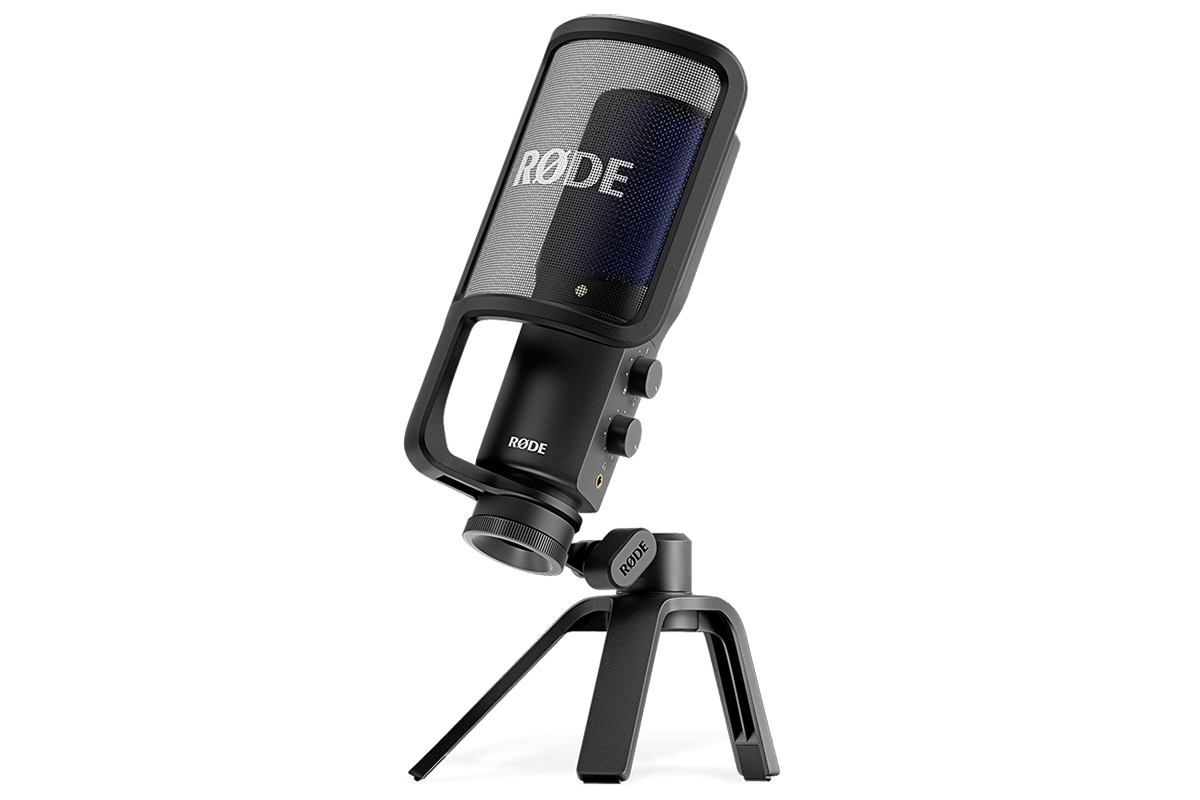
RODE NT-USB+
USB CondenserStudio-grade USB condenser with a built-in Revolution preamp, zero-latency monitoring, and RODE Connect/Central software — a clean step up from entry-level USB mics.
$169
Buy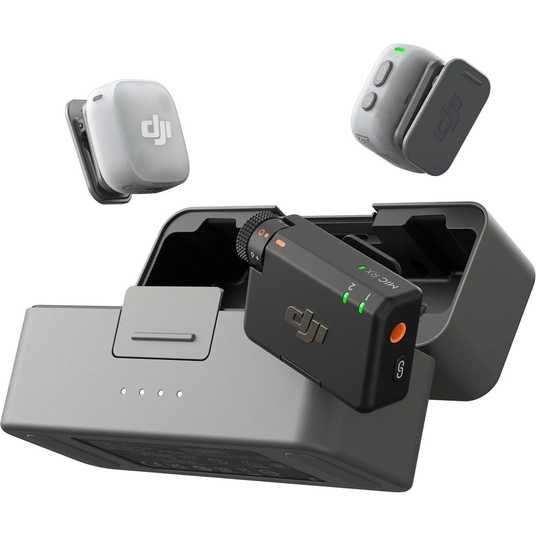
DJI Mic Mini 2
WirelessUltra-light wireless mic system with swappable color covers, voice presets, and long battery life — the go-to clip-on for IRL and mobile streaming.
$169
BuyQuick Comparison
| Product | Type | Price | Best For | Rating |
|---|---|---|---|---|
| Shure SM7B | Dynamic XLR | $399 | Professional streamers | 5.0 |
| Logitech Yeti (Blue) | USB Condenser | $129 | Beginners to intermediate | 4.5 |
| Shure MV7+ | Dynamic USB-C/XLR | $299 | Podcasters & streamers who want both worlds | 5.0 |
| Corsair VOXARA | USB Condenser | $199 | Streamers already in the Elgato ecosystem | 4.5 |
| Audio-Technica AT2020 | XLR Condenser | $99 | Budget-conscious pros | 4.5 |
| HyperX QuadCast 2 | USB Condenser | $139 | Gaming streamers | 4.0 |
| Elgato Wave:3 | USB Condenser | $149 | Tech-savvy streamers | 4.5 |
| Rode PodMic | Dynamic XLR | $99 | Podcast-style streams | 4.5 |
| RODE NT-USB+ | USB Condenser | $169 | Voice-focused creators | 4.5 |
| DJI Mic Mini 2 | Wireless | $169 | IRL & mobile streamers | 4.5 |
Frequently Asked Questions
What microphone do most streamers use?
The Shure SM7B is the de-facto standard among full-time streamers, while the Shure MV7+ and Elgato Wave:3 are hugely popular for their easier setup. On a budget, the Audio-Technica AT2020 and Logitech Yeti dominate.
USB or XLR — which should I buy first?
Start with USB if you want plug-and-play simplicity and no extra hardware. Choose XLR when you are ready to invest in an audio interface — it gives better preamps, more headroom, and lets you upgrade the mic and interface separately.
Is the Shure SM7B worth it for streaming?
Yes, if you have the rest of the chain: it needs about 60 dB of clean gain, so budget for an interface or preamp (e.g., a Cloudlifter or an interface with strong preamps). In untreated rooms its background-noise rejection is a real advantage.
Do I need a pop filter and boom arm?
A boom arm keeps the mic close to your mouth (the single biggest audio upgrade) and off your desk, away from keyboard rumble. Many streaming mics have internal pop filtering, but an external filter still helps with hard plosives.
How much should I spend on a streaming microphone?
A quality USB mic costs $100–150. A professional XLR setup — mic plus interface — starts around $250–450. Spending more than that improves comfort and workflow, but rarely changes what viewers actually hear.
Related Gear Categories
USB vs XLR Microphones
USB microphones offer plug-and-play convenience, making them perfect for beginners. They connect directly to your computer without additional equipment. XLR microphones require an audio interface or mixer but provide superior sound quality and flexibility for professional setups. Consider your budget, technical expertise, and quality requirements when choosing.
Microphone Buying Guide
When selecting a streaming microphone, consider your environment, voice type, and streaming style. Dynamic microphones like the SM7B excel at rejecting background noise, making them ideal for untreated rooms. Condenser microphones offer more detail and sensitivity but may pick up more ambient sound. Budget $100-150 for quality USB options or $200-400 for professional XLR setups including an audio interface.